
You too can have foreign customers
3 March 2015
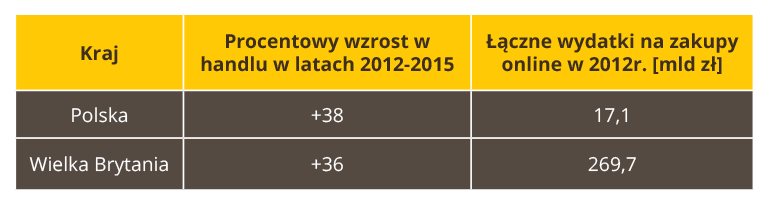
Market analyses conducted since 2012 show that e-commerce is growing all the time, not only in our country, but also in other European countries. The research was conducted on 17,500 e-consumers in 22 countries and thus shows the best solutions for the international e-commerce segment.
The Polish e-commerce market is attractive to many foreign consumers. As analyses show. the main reason why Brits shop in foreign e-shops is the lack of needed goods in their domestic online shops. Other reasons cited were lower prices and greater choice. Interestingly, Poles (as many as 51%), are most likely to buy from online shops not because of the price, but because of the greater choice.
Take advantage of the financial potential of the international market
UK consumers are most likely to buy clothing, footwear and accessories from foreign e-shops (33%). So do our German and Russian neighbours. In second place among UK e-shoppers are cosmetics and personal care products (19%) and in third place are physical items related to entertainment and education e.g. games, toys (17%).
Analysis carried out by PayPal shows that total annual spend per Briton in the next 12 months will be £676 in online clothing shops, £431 in electronics shops and £524 in 'household' products stores*. Below we show how this spending is forecast to look in other countries:
The foreign markets selected above show the financial potential that Polish e-entrepreneurs can use to develop their own online shops.
Foreign e-customers buy where it's cheaper
PayPal's specialists also asked e-customers what their main reasons for shopping in foreign online shops were. Respondents were able to select more than one answer, and we present to you below the results for the percentage of e-customers who selected the answer that a lower price mattered to them.
As it turns out, the most important issue related to overseas trade is the shipping of goods. As many as 49% of UK e-consumers pay attention to this. What's more, 45% of Brits who have given up shopping from an overseas e-commerce site did so because the shipping charges were too high. The same percentage gave up because the total cost of e-shopping was too high. It is worth noting that this is not a characteristic of UK e-consumers, but of e-consumers in general, as in other countries also one of the most important factors in deciding not to shop at foreign e-shops is the cost of delivery.
What does the immediate future hold?
The PayPal report is further proof that one of the keys to success in the e-commerce market is fast, cheap and convenient delivery. And Parcel Post is already present in most EU countries. If you combine these facts and want to develop your e-businesses in international markets, we suggest following our website b2b.paczkomaty.pl. There will be some truly revolutionary news there in the context of cross-border e-commerce in the coming weeks.
The full report is worth reading: International online trade - 2013 report, prospects and opportunities.


